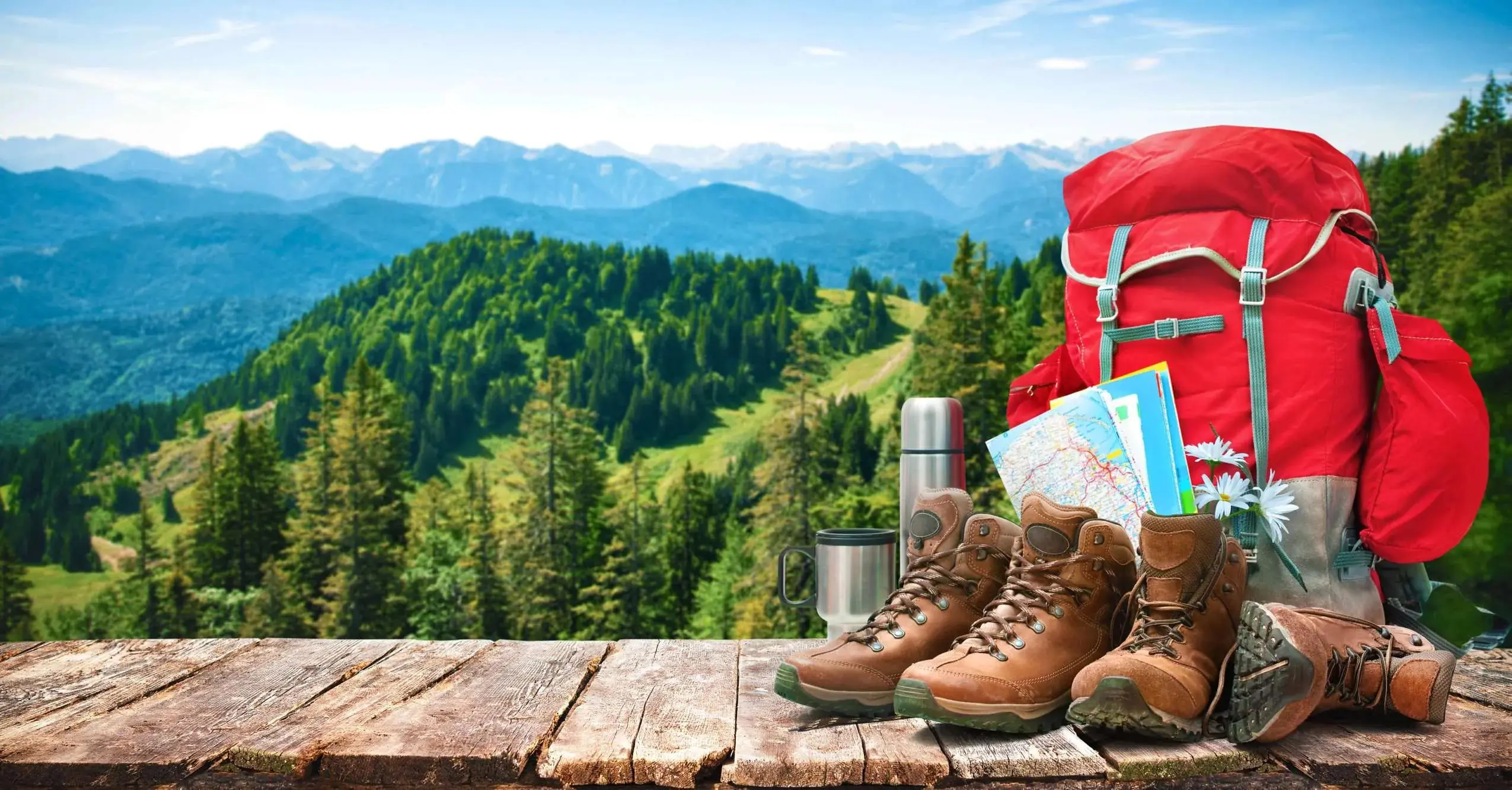
What Should You Pack for a Smoky Mountains Vacation in 2026?
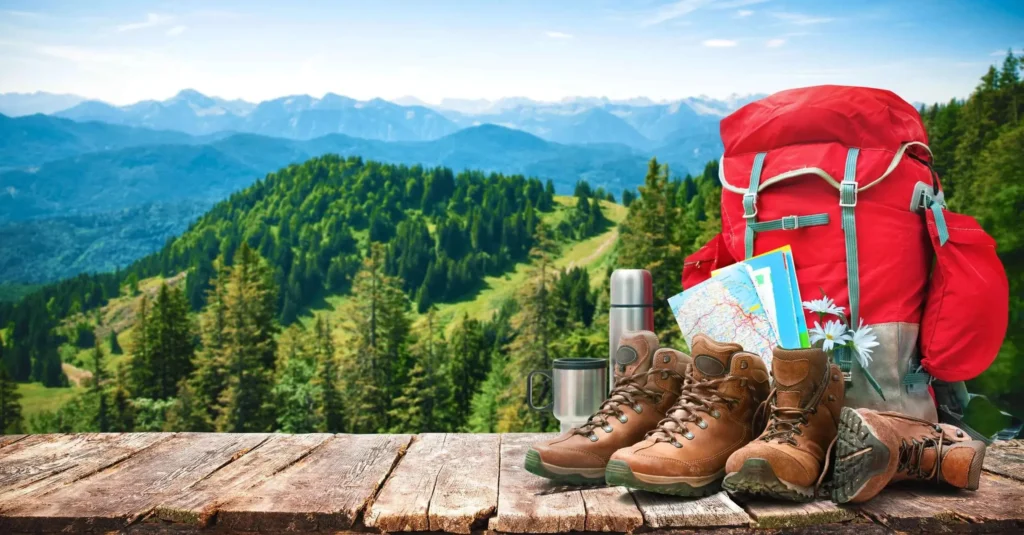
What Should You Pack for a Smoky Mountains Vacation ? Imagine yourself standing on a mist shrouded overlook, gazing at the hazy blue green waves of the ancient Great Smokies . Pine and damp earth are on the breeze and you can faintly hear the distant roar of a waterfall plunging into a clear pool below . This is the vacation you’ve been waiting for except your feet are ice cold you’re caught in a sudden afternoon downpour without a rain jacket, and your trail map is rapidly dissolving into pulp.
It doesn’t have to be like this. Your most critical task in planning a Smoky Mountains vacation is making sure you’re not left shivering on an overlook or soaked to the bone after a 2 minute summer shower . The Great Smoky Mountains National Park is America’s 1 visited national park for a reason but mountain weather can be famously fickle , with the mercury swinging wildly from the 70s on a sunny afternoon to the 40s just hours later . That unpredictable weather pattern means what you pack is the biggest factor in ensuring your trip is about those amazing mountain views and not the discomfort . Smoky Mountains Vacation.
In this post , I’ll provide you with everything you need to know about what to pack , whether you’re planning a trip in summer fall and winter or spring. I’ll cover the Ten Essentials , gear you’ll want to pack depending on the season and your plans (from hiking to cabin relaxing) plus a few helpful extras that can take your trip from pretty good to unforgettable . Having learned a lesson or two about hiking up Mount Le Conte in nothing but a t shirt , I can assure you that preparing in advance will save you from at least a little bit of suffering. Smoky Mountains Vacation.
The Golden Rule of Smoky Mountain Packing: Layer Like a Pro
But before we even dig into a detailed packing list, let’s chat strategy. The one thing most locals in Gatlinburg or Pigeon Forge would advise you when preparing for your Smokies vacation no matter how short , is to prepare for every season. The Smokies’ elevation alone can cause temperatures to fluctuate by 10-20 degrees F as you ascend from the valley floors to the mountain summits. That cool morning you enjoyed on the deck of your cabin in the Smokies could become a humid afternoon hike , followed by a chilling night on your porch. Smoky Mountains Vacation.
Layering is crucial . Ditch the single, bulky winter coat in the July heat and approach your wardrobe as three essential layers : Smoky Mountains Vacation.
- Base Layer : This is the layer against your skin . You’ll want to use moisture wicking material . Merino wool or a synthetic blend will draw sweat away from you and keep you dry and warm.
- Leave cotton in your wardrobe : as soon as cotton gets wet, whether from sweat or rain , it’ll remain wet and leave you freezing . Smoky Mountains Vacation.
- Mid Layer : This layer provides insulation . Pull on a fleece pullover , lightweight puffer jacket or sweater. This layer will keep the warmth close to you and can be easily removed when the temperature rises . Outer Layer : This is what protects you from the elements. Smoky Mountains Vacation.
- A breathable waterproof rain jacket is an absolute essential in the Smokies , where an afternoon storm can surprise you even during the height of summer. Smoky Mountains Vacation.
The Ten Essentials: Your Safety Net in the Wild
“Ten Essentials”. That phrase rings through the ears of park rangers and backcountry hikers around the globe, a mantra, an imperative to remember. It encompasses the ten essential items you must carry, on any hike, be it a trip to your nearest mountain summit, a short trail or even an afternoon to ascend from your doorstep to your local peak! These Smoky Mountains trails can be challenging, so preparedness is your friend. Smoky Mountains Vacation.
- Navigation: Your cell phone’s GPS is wonderful but there is practically no cell service anywhere in the back of the park. Be sure to have a printed, detailed trail map and a compass and know how to use both. Down load some offline map data prior to leaving civilization behind. Smoky Mountains Vacation.
- Headlamp/Flashlight: Don’t leave home without it. Aim to arrive at your vehicle, cabin or rental prior to dark.
- It becomes significantly riskier (fall related injuries, wildlife interactions) hiking in the dark and can truly save you if you are running behind. Smoky Mountains Vacation.
- Don’t rely on your phone’s flashlight as it will deplete your battery and won’t last.
- Sun Protection : UVA rays can still be quite strong at elevation , even on a cloudy day . Be sure to bring sun protection (SPF 30+) and wear it throughout the day . Sunglasses and a brimmed hat should also be included in your kit. Smoky Mountains Vacation.
- First Aid Kit : Bring along a basic kit with some band aid antiseptic wipes, blister prevention/treatment items (you’ll be so glad you have some moleskin), tweezers for ticks, and any personal medications you might need. Smoky Mountains Vacation.
- Fire Starter: Waterproof matches, or a lighter could be a lifesaver for warmth and/or signaling in a real emergency situation. Smoky Mountains Vacation.
- Multi tool/Knife : A trusty multi-tool or a sharp, durable knife will be helpful for all manner of things.
- Extra Food : Pack along extra snacks more than you think you’ll ever need . Focus on high energy options, like jerky , granola bars , trail mix etc.
- Extra Water : This seems obvious but many visitors fail to pack enough . Rule of thumb is around 3-4 quarts for a full day of hiking, depending on exertion level . You may want to pack along a reliable water filter (like a Sawyer Squeeze or a LifeStraw) so that you can filter stream water to prevent carrying all the water you’ll need. Smoky Mountains Vacation.
- Extra Clothes : Even when the forecast looks favorable , a waterproof shell and a warm insulating layer are key for sudden changes in the weather. Smoky Mountains Vacation.
- Emergency Shelter : A very small lightweight shelter can come in handy if you get caught out in the elements unexpectedly and need to spend the night to stay warm and dry. Smoky Mountains Vacation.
What Should You Pack for a Smoky Mountains Vacation?
Spring in the Smokies: Wildflowers and Unpredictable Weather (March – May)
Spring in the Smokies is a magical experience! Color comes alive as the flowers emerge on the mountainside and the waterfalls rush from snow melt. The season is known, though, for unpredictable weather. It’s not uncommon to have warm sunshine in the morning, hail in the afternoon and frost in the evening all in the same day. In fact , April typically sees roughly four inches of rain on average.
What to pack for spring :
- Wear and pack a good pair of water-proof hiking boots or trail shoes since your hiking boots might be soaked. Make sure you’re packing additional wool socks! Don’t forget allergy medication when going during pollens season. You also need a bathing suit to use when in the cabin, Jacuzzi and/or hot tub!
Summer in the Smokies: Beat the Heat and Afternoon Storms (June – August)
The summer is high season and for good reason. The days are long, the creeks and swim holes beckon and all the world is green and alive. Of course it is also hot and sticky. Plan on days in the high 90’s in the valley and slightly cooler in the mountains , with almost daily afternoon thunderstorm potential, so hit the trails early.
What to pack for summer:
- Clothing Pack plenty of lightweight , breathable clothing. Shorts, t shirts and tank tops are perfect but it’s also a good idea to pack a lightweight long-sleeved shirt and pants for cool evenings and for bug protection. You’ll also want a lightweight rain jacket just in case!
- Shoes The more supportive and breathable the better on the trail, but closed-toe shoes like walking sandals (such as Tevas or Chacos) will do. Don’t forget flip-flops to wear around the cabin or the pool.
- Don’t Leave These Behind: Pack both sunscreen and bug spray; the bugs really do swarm, especially near water. You’ll want a large towel, your swimsuit, a great hat, and flip-flops to lounge around by the pool, the river or the hot tub.
- Stay hydrated: Carry a large refillable water bottle or hydration pack. It might be helpful to bring electrolyte supplements too, in order to replace the electrolytes you’ll be sweating out in the heat.
Fall in the Smokies : Crisp Air and Spectacular Colors (September – November)
Best time to visit Fall The crowds might still exist but they are far from the summer high and the air becomes crisp. Not to mention, it’s stunning, as the fall foliage turn the mountains into red orange and gold masterpieces. Clothing to Pack for Fall you need versatility ; it can reach high of 70s and 80s in September , yet come November, the temperatures can drop down into the 50s and 60s and can even get close to freezing at higher altitudes.
What to pack for fall:
- Clothing : Layers are the absolute name of the game . Bring a mix of short and long sleeved shirts , sweaters and a warm fleece jacket . A windproof and waterproof outer layer is a must for windy overlooks and possible showers .
- Footwear : Sturdy waterproof hiking boots are highly recommended . Trails can be slippery due to wet, fallen leaves, so you need good traction .
- Must Haves : A good camera is essential to capture the stunning scenery . Pack warm accessories like a beanie and gloves, especially if you plan to be out early in the morning or at higher elevations like Kuwait (Clingmans Dome) .
Winter in the Smokies: A Snowy Wonderland (December – February)
Smokies winters are characterized by stillness, as snow tops the mountains, and visitors dwindle. Winter also marks the most difficult time to visit the mountains, as above 4,500 feet , many trails turn to snow and ice and many road can turn deadly slick. Newfound Gap , sitting at 5,046 feet elevation , averages nearly 69 inches of snow each year.
What to pack for winter:
- Apparel: Focus on warm and dry. Plan to pack a warm long john suit (top and bottom), a warm winter jacket, warm insulated waterproof boots, and plenty of warm socks. Be sure to pack a warm hat, scarf and gloves.
- Cabin Amenities: If you plan on cabin stay pack a warm outfit for lounging, slippers, and a blanket for lounging by a warm fire.
- Road Necessities: This is an important component of the Smoky Mountains weather. Bring along a car emergency kit, this will include an ice scraper, blankets, a jumper cable, an flashlight, and extra wiper fluid. During a storm, you will want to have some extra water and food available in your vehicle in case you get stuck on the roads. Before leaving you will want to dial (865) 436-1200 to check road conditions.
Hiking Gear: Outfit Your Adventure Backpack
Alright, you’ve got your layers sorted and you know what to pack for the season. But what about that daypack you’ll carry on the trail? Here’s your ultimate checklist for a successful hike:
- The Pack: Your comfortable, light weight day pack (20 to 30 liters).
- Hydration: Your refillable water bottle, hydration pack, etc.
- Navigation: Map, compass, or download the maps to your phone offline.
- Safety: First aid kit, multi tool and bear spray.
- Yes, bear spray is legal and recommended in the park for animal encounter.
- Trekking Poles: These really change the game for many hikers. They save pressure on your knees, help balance on uneven ground and make downhill much easier on the body.
- Food: energy dense, non perishable foods…think jerky, trail mix and energy bars!
- Other useful gear: Headlamp, sun gear and emergency blanket.
Cabin Comforts: How to Pack for a Smoky Mountain Cabin Stay
One of the best parts of a Smoky Mountain vacation is the cabin . Whether it’s a rustic one bedroom or a luxurious 10 bedroom lodge , packing a few extra items can make your stay even more comfortable .
Kitchen and Food Items
Most cabins come with a fully equipped kitchen but they don’t always have every pantry staple . Here’s what to bring to avoid a mid-cooking crisis :
- Pantry Staples: Salt, pepper, your favorite spices, cooking oil, and sugar .
- Coffee and Tea: A must for that glorious mountain sunrise .
- Non Perishable Snacks: Trail mix, granola bars, fruit, and chips for easy munching .
- Cooler: A small cooler is great for transporting meats, dairy, and beverages to your cabin .
- Aluminum Foil and Plastic Wrap: Perfect for storing leftovers or grilling out .
Personal Items and Entertainment
You’ve come to disconnect, but a little entertainment goes a long way!
- Entertainment : Bring some books board games , playing cards or puzzles for a rainy day or a cozy evening . A Bluetooth speaker is great for playing music while you cook or relax on the porch .
- Comforts : Consider bringing your own favorite blanket or throw for the porch. A journal is a wonderful way to record your memories .
- Technology : Bring chargers for all your devices. A portable power bank is invaluable for keeping your phone charged on the go .
Also Check : Best Scenic Overlooks in Great Smoky Mountains 2026
Conclusion
So , what exactly do you need to bring for a vacation in the Smokies? The simple answer is , a little of everything. But the not so simple answer involves preparation , which means preparing for a place that’s as unpredictable as it is untamed. Flexibility is your goal.
Your ultimate packing mantra : Layers , safety and comfort.
- Layers keep you warm when it’s cold and cool when it’s hot.
- Safety ensures you can handle the unexpected.
- Comfort allows you to relax and truly soak in the beauty around you.
With the master packing list now complete, you’re one step closer to making that dream trip happen. Are you hitting the hiking trails or settling into a secluded cabin? Leave your plans in the comment section below and don’t forget to tell me if you have any packing tips or questions you want to share!
Make sure to send this to your travel partners to help them get packing ready!Enjoy your Great Smoky Mountains adventure!
Frequently Asked Questions (FAQs)
Can I use just my cell phone for navigation in the national park?
No. In the backcountry of Great Smoky Mountains National Park, cell reception is virtually nonexistent. Take both a map and compass as your backups to any apps.
Should I carry bear spray?
It is allowed and recommended to carry bear spray in the park for protection against wildlife. Bear spray is considered to be effective if you are prepared to use it. Your bear spray must be commercial EPA registered (contain 1% to 2% capsaicin).
What are the best shoes to pack for a hike in the Smokies….?
Sturdy, waterproof hiking boots or shoes with good ankle support are a must.
Why can’t I wear cotton….?
Cotton, of all fibers, is the absolute worst choice for outdoor activity because it will absorb your sweat and become very wet and heavy. It can quickly lead to hypothermia even when the air temperature is not cool.
I am staying in a cabin in the Smokies…do I still need to pack food?
While you probably don’t need to bring all of your groceries for an entire week, bring enough nonperishable snacks and your own coffee and favorite spices. Don’t count on a store within easy access to your cabin when the time comes.
Do I need a swimsuit for my cabin trip in the Smokies?
Yes Even though the temperature may be cool (or cold), most of the cabins in the Smokies have private Jacuzzis and most have pools open in summer months, as well as close swimming holes or swimming holes you could visit.
What time of year can I visit the Smokies to avoid crowds?
January and February and avoid the summer months and popular weekends in fall. The early morning hours on weekdays in other months are the best time to visit. Early mornings before 8 am are typically quietest.
Should I carry an emergency car kit for winter driving in the Smokies?
Yes Always have an ice scraper blankets, jumper cables, a flashlight and plenty of windshield wiper fluid if you plan to be driving any of the roads or highways during the winter. Check road conditions frequently.
What are the “Ten Essentials” for hiking….?
The Ten Essentials include Navigation, Headlamp , Sun Protection, First aid Kit Fire Starter, Knife/Multi tool , Extra Food, Extra Water , Extra Clothes, and Shelter.