
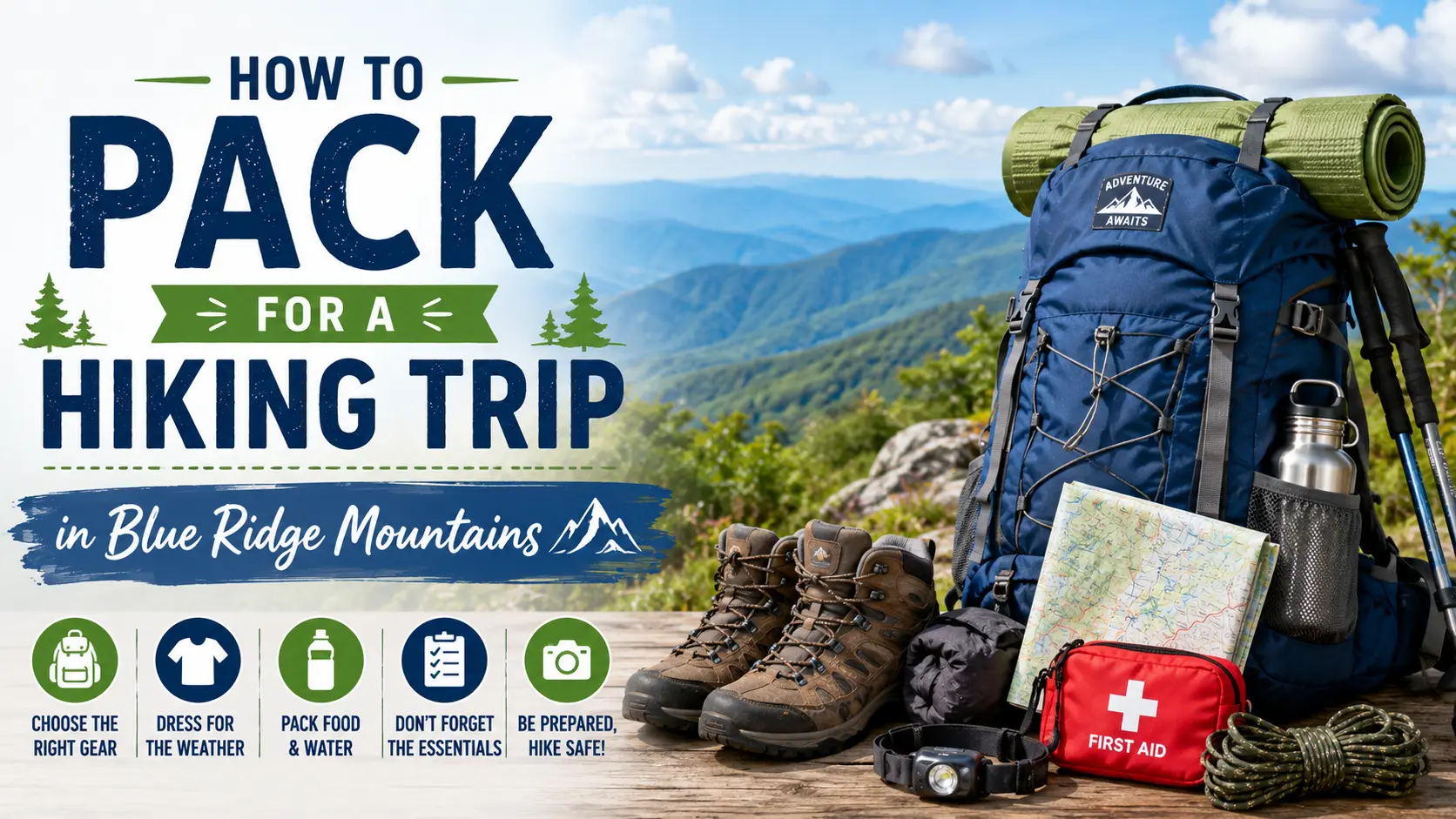
How to Pack for a Hiking Trip in Blue Ridge Mountains 2026
How to Pack for a Hiking Trip in Blue Ridge Mountain . The Blue Ridge Mountains are a siren call for adventurers . With their rolling hazy peaks cascading waterfalls tucked into lush forests and trails that stretch for miles along the iconic Blue Ridge Parkway, it’s a place that feels like a homecoming for the soul . But before you can lose yourself in that breathtaking beauty you need to get one thing right : knowing How to Pack for a Hiking Trip in Blue Ridge Mountains is the single most important thing you can do to ensure your adventure is memorable for all the right reasons .
The weather here is notorious for its mood swings . You can start a hike under a brilliant sun, only to be enveloped in a cool and misty cloud twenty minutes later. The difference between a fantastic comfortable hike and a miserable, soggy one often comes down to what’s in your backpack. I’ve spent years exploring these ancient peaks making mistakes and learning exactly what works . This isn’t just a list ; it’s a tried and true system from a local who knows these trails. So let’s get your pack sorted .
Hiking the Blue Ridge : The Essential Packing Philosophy
Before we dive into the nitty gritty of gear let’s talk about a core strategy that will guide everything you pack : the art of layering. Think of the Blue Ridge climate as a master of disguise it changes its mood drastically, especially at higher elevations where temperatures can be 5 to 12 degrees cooler than in the valleys . The solution isn’t to pack one giant, bulky jacket but to create a versatile, adaptable “clothing system.”
The “Layering” System for Mountain Weather
The goal is to be able to add or remove layers based on your activity level and the shifting conditions . Here’s the breakdown:
- Base Layer (The Foundation) : This is the layer that sits against your skin. Its job is to manage moisture by wicking sweat away from your body. Crucial Rule : Steer clear of cotton! Cotton soaks up sweat, gets heavy and pulls heat away from your body, which is a recipe for discomfort and even hypothermia on colder days . Instead opt for a lightweight, long sleeve shirt made from merino wool or a synthetic material like polypropylene or Capilene . Look for fabrics with SPF protection for added safety .
- Mid Layer (The Insulator) : This layer is your warmth. A fleece jacket or pullover (like the Free Fly Fleece Hoodie or a Polartec fleece) is a fantastic, breathable option that traps heat without adding bulk . A lightweight, packable down jacket or vest can also be a great choice for extra warmth during breaks.
- Outer Layer (The Shell) : This is your defense against wind and rain. A waterproof, breathable rain jacket is non negotiable . The weather can turn quickly and a good shell will keep you dry and protected from the wind . Look for one with a hood and pit zips for ventilation .
Foot wear : Your Trail Foundation
Your feet are the most critical part of your hiking machinery. In the Blue Ridge the terrain can be rocky, rooty and often wet especially near waterfalls . This is not the place for sneakers or sandals.
- Hiking Boots : For most trails in the Blue Ridge, especially in the backcountry sturdy, waterproof hiking boots with good ankle support are strongly recommended . They provide the stability you need on uneven terrain and protect your ankles from rolling. Make sure your boots are well broken in before your trip to avoid painful blisters .
- Hiking Shoes : On well maintained, short trails, you might get away with sturdy hiking shoes or trail runners, but they don’t offer the same ankle support as boots .
- The Sock System : Your socks are just as important as your boots. Wear wool or synthetic hiking socks that are designed to wick moisture . Brands like Darn Tough are a local favorite . Consider bringing a thin synthetic sock liner to wear under your main socks to further reduce the risk of blisters . And always, ALWAYS pack an extra pair of socks in your pack. Changing into dry socks mid hike is one of the simplest pleasures on the trail .
Your Back pack : The Day Hiker’s Mobile Basecamp
You need something reliable to carry all your essentials. For a day hike a pack in the 18-26 liter range is usually sufficient . Look for one with :
- A comfortable back panel and padded straps to make carrying weight easier.
- Multiple pockets to help you stay organized.
- A dedicated sleeve for a hydration bladder which can be a convenient way to drink on the move.
- A waterproof cover is a huge plus, or you can just line your pack with a heavy duty plastic trash bag to keep everything inside dry .
Gear Up : The Ultimate Packing Checklist for the Blue Ridge
Now for the list. This is the practical no nonsense gear you need to have a safe and amazing day out. Think of it as your personal pre hike checklist. I generally break this down into two categories : things I wear or carry that are constantly in use and the absolute essentials I keep in my pack.
Day Pack Essentials (The “Always Bring” List)
Hydration & Food Pack for a Hiking Trip in Blue Ridge
- Water : You will need more than you think. The general rule is at least 2 liters of water per person for a day hike .
- Water Filter or Purification Tablets : Those clear mountain streams are tempting but they can contain harmful bacteria. Do not drink directly from streams unless you filter or purify the water first . A portable filter like the Sawyer Squeeze is lightweight and effective .
- Electrolytes : Consider bringing a packet of electrolyte tablets to add to your water, especially on hot or humid days.
- High Energy Snacks : Pack food that is high in carbs, protein and salt to keep your energy levels up. Trail mix nuts energy bars beef jerky and peanut butter crackers are all excellent choices . Store food in sealed ziplock bags to keep smells from attracting wildlife .
Navigation & Safety Pack for a Hiking Trip in Blue Ridge
- Navigation Tools: Don’t rely solely on your phone. Download offline maps on a navigation app but also carry a physical map and a compass as a backup .
- Illumination : Pack a headlamp or flashlight with fresh batteries, even if you plan to be back before dark . It’s easy to lose track of time and this is an absolute necessity if you find yourself hiking out after sunset .
- Emergency Kit :
- First Aid Kit : A small personal kit with band aids gauze, antiseptic wipes and pain relievers like ibuprofen and any personal medications .
- Fire Starter : Waterproof matches or a lighter can be a lifesaver in an emergency.
- Emergency Whistle : A loud whistle is a small light item that can carry a long distance to signal for help.
- Multi tool or Knife : Always handy for gear repair or other needs .
Sun Protection & Comfort Pack for a Hiking Trip in Blue Ridge
- Sunscreen : The sun is strong at higher elevations. Apply it before you start and reapply throughout the day .
- Sunglasses : Protect your eyes from glare and UV rays .
- Lip Balm : The mountain air can be surprisingly drying .
- Bug Spray : The humidity can make it a haven for insects so insect repellent is a good idea, especially in the summer .
Trail Extras (Optional but Enhance the Experience)
- Trekking Poles : These are fantastic for providing extra stability on steep or slippery sections and especially when crossing streams or navigating near wet waterfalls . They also take a lot of pressure off your knees .
- Camera : Bring a camera to capture the epic views. Many people are happy with their phone cameras but a small, lightweight digital camera is a great alternative .
- Binoculars : The Blue Ridge is teeming with wildlife. From black bears and deer to a huge variety of birds like red tailed hawks and bald eagles and binoculars will let you see it all up close .
- Portable Charger : For your phone, especially if you’re using it as your primary camera or navigation tool .
- Camera Backpack : If you’re a photographer with a lot of gear, a dedicated camera backpack is worth the investment to protect your equipment . Pack for a Hiking Trip in Blue Ridge
Also Check : Amazing Free Live Theater Events in Central Park New York
What to Wear Pack for a Hiking Trip in Blue Ridge Mountains : A Step by Step Guide
To make it even simpler, here’s a quick rundown of what you should be wearing on your body.
Upper Body : Pack for a Hiking Trip in Blue Ridge Mountains
- Base Layer : Moisture wicking long sleeve shirt.
- Mid Layer : Fleece jacket or pullover (packed in your bag if it’s warm).
- Outer Layer : Water proof rain jacket packed in your bag even if the sun is shining .
Lower Body : Pack for a Hiking Trip in Blue Ridge
- Hiking Pants or Shorts : Choose quick drying, nylon hiking pants or shorts. Convertible pants (zip off legs) are incredibly versatile .
- Moisture wicking underwear : This is just as important as your outer layers .
Feet: Pack for a Hiking Trip in Blue Ridge Mountains
- Sock Liners (Optional) : Thin, synthetic liners to prevent blisters.
- Hiking Socks : Wool or synthetic hiking socks (Darn Tough or Farm to Feet are excellent brands ).
- Hiking Boots or Shoes : Sturdy and waterproof with good ankle support.
Head & Hands : Pack for a Hiking Trip in Blue Ridge
- Sun Hat : For protecting your face from the sun.
- Warm Hat and Beanie : Even in summer the temperature can drop at higher elevations . A beanie is a space saving layer of warmth .
- Gloves : A lightweight pair of gloves can be a lifesaver on a chilly and windy ridge or if the temperature drops unexpectedly. A warm pair of socks can even double as gloves in a pinch!
Frequently Asked Questions (FAQs)
What is the most important rule when packing for a Blue Ridge hike?
Never underestimate the weather. The most critical rule is to prepare for rapid unpredictable changes . Layering your clothing and always bringing a waterproof jacket is non negotiable .
Can I hike in the Blue Ridge in just sneakers?
It’s not advisable. The trails are rocky, root filled and often muddy. Sturdy hiking boots with ankle support are highly recommended to prevent injuries and keep your feet comfortable .
Is it really that bad to wear cotton on a hike?
Yes. We can’t stress this enough. Cotton is dangerous because it holds moisture against your skin, leading to chafing and a dangerous loss of body heat when you stop moving .
How much water should I carry for a day hike?
A good rule of thumb is to carry at least 2 liters of water per person . On hot, humid days you may need even more.
What’s the best way to stay safe around water falls?
Never climb on wet rocks and stay on designated trails. The rocks near waterfalls are often extremely slippery. It’s also a good idea to use trekking poles for added stability .
Is it safe to drink water from the mountain streams?
No. Even if the water looks crystal clear, it can contain harmful parasites. Always filter or purify any water you take from natural sources .
Do I need a paper map if I have a hiking app on my phone?
Yes. Cell service is unreliable in the mountains. It’s essential to carry a paper map and compass as a backup and know how to use them .
What are the best types of snacks to pack?
Pack high energy non perishable items like trail mix nuts, protein bars and beef jerky. These provide the quick fuel and salts you need to keep hiking .
What should I do if I get lost on a trail?
Stop and stay calm. Use your map and compass to try to locate your position. If you can’t, stay put, especially if it’s getting dark. Blow your whistle in short bursts to signal for help.
Is a GPS device necessary?
It’s a fantastic tool. A dedicated GPS device or a reliable GPS app on your phone (with offline maps downloaded) is a great safety net. However, it should not replace a physical map and compass as batteries can die .
Pack Right Hike Right : Your Adventure Awaits
Knowing how to pack for a hiking trip in Blue Ridge Mountains is the key to unlocking an incredible experience . It transforms a potentially stressful outing into a joyful , immersive journey through one of America’s most spectacular landscapes . With this guide you’re not just packing a bag ; you’re preparing for an adventure. You’re ensuring that when you reach that stunning overlook or witness a cascading waterfall , your only focus is the beauty around you not a blister on your heel or a chill from your soaked clothes .
So, pack thoughtfully, step lightly with a “Leave No Trace” mindset and get ready to make some incredible memories.