
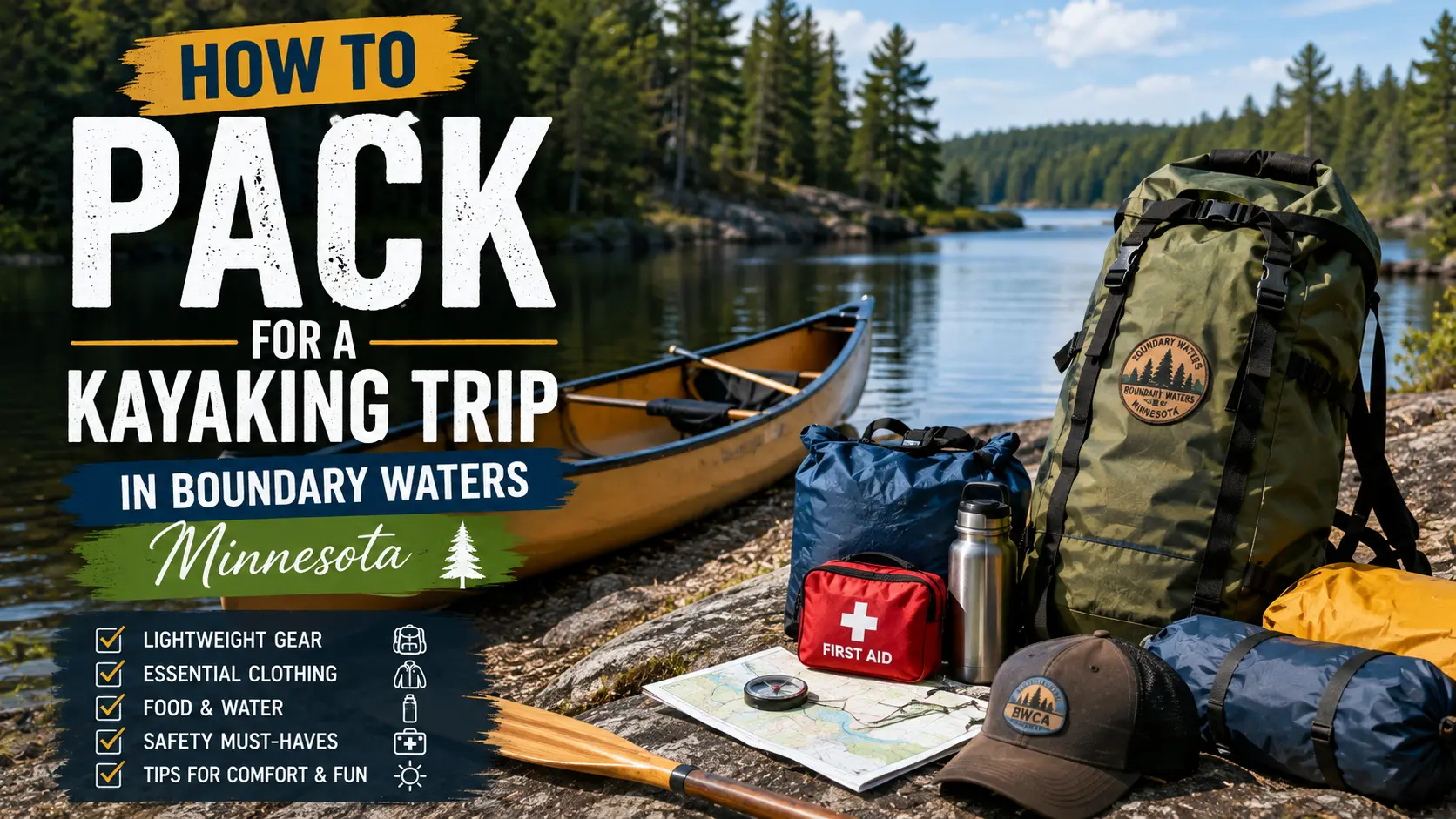
How to Pack for a Kayaking Trip in Boundary Waters Minnesota 2026
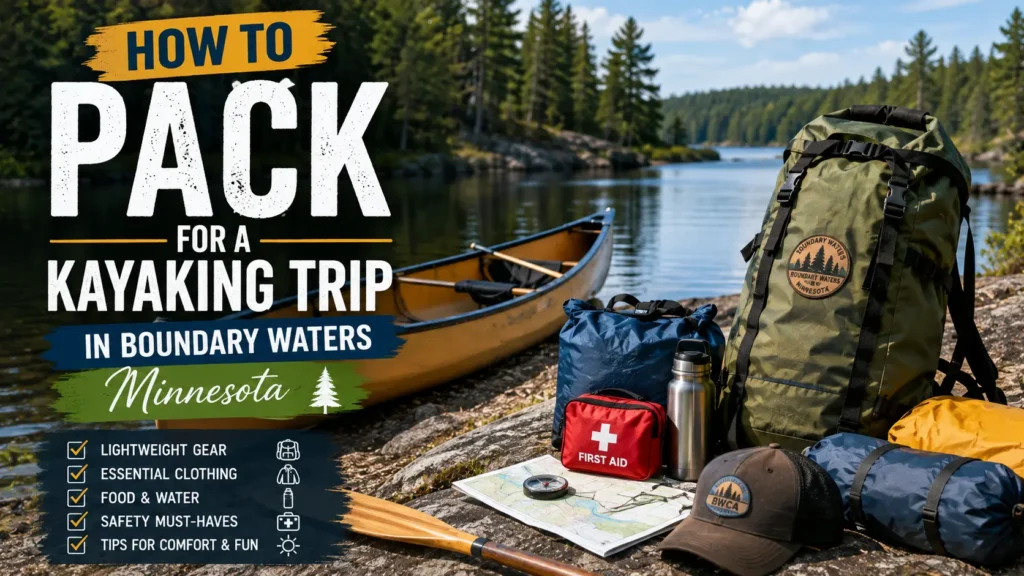
Pack for a Kayaking Trip in Boundary. A lone loon screeches across the water , your paddle sinks into a lake stretching to the edge of the world and you are in a million acres of unspoiled beauty the world of rustling pines and splashing waves against your kayak . Welcome to the Boundary Waters Canoe Area Wilderness (BWCAW) a paddling mecca along the US/Canada border in northeastern Minnesota . Before you begin , however , there’s an urgent issue at hand . What to bring on a Boundary Waters kayaking trip?
Unlike car camping or backpacking on marked trails, there is an approach to packing for the Boundary Waters . The things you bring into BWCAW must have a reason because you will be carrying them and your kayak over the portage trails between lakes . Pack too little or the wrong things and it will quickly turn from a wilderness adventure into a slog .
The lessons I have learned after many years paddling these waters is that less , more thoughtfully packed , is best . This guide is more than a list it will help you plan your packing for a lighter , smarter, more effective trip to BWCAW. Let’s begin!
Understanding the Boundary Waters Challenge
But first we need to explain a little more about where we are so that the following packing list makes sense. It’s important to realize what human powered wilderness means. No roads, No motors. Once you’ve parked the car , the boundary waters is entirely human and wilderness powered. So that means your kayak , you and your pack is all the travel , carry , gear schlepping equipment you’ll have. Pack for a Kayaking Trip in Boundary.
The Portage Factor: Why Weight Matters
Your mantra when going backpacking is pack light, travel far. You will certainly face portages (carrying your boat and camping gear from lake to lake). Portages are typically rough , Rooty boggy and steep. If you are unable to do so with one or two trips across the portage then odds are that you are trying to bring to much. Pack for a Kayaking Trip in Boundary.
There isn’t one more decision concerning pack weight: every ounce matters. In this case carrying a40+ pound kayak overhead and backpack would attest to that reality and make all decisions surrounding your pack weight: too bulky and or not relevant for traveling through boggy terrain and useless when wet that extra pair of pants? Or or or Glass container for hot sauce will get broken and can cause great injury not to mention illegal, lightweight and multifaceted is your creed: lightweight and small and light and small is best. Pack for a Kayaking Trip in Boundary.
Weather: The Wild Card
The weather in the Northwoods is famously fickle. A sunny, 70 degree morning can transform into a windy, rainy afternoon with a sudden drop in temperature . You need to be prepared for everything from blazing sun and swarming insects to cold rain and even near freezing nights, especially in early summer or fall. Your clothing system is your primary defense. Pack for a Kayaking Trip in Boundary.
The Packing Philosophy: What to Pack and How to Carry It
How you pack is almost as important as what you pack . The goal is to create a system where your gear is accessible , protected from water and balanced for portaging. Pack for a Kayaking Trip in Boundary.
Kayak vs. Canoe: Does It Change Your Packing?
While many visitors use canoes , kayaks are an excellent option for the BWCAW . They handle wind better and are often more maneuverable . However , packing a kayak differs slightly . Kayaks have less open cargo space than canoes , making dry bags and hatch friendly gear crucial . While portaging a kayak can be a bit more cumbersome , using a kayak specific portage cart (though not allowed on all trails , check regulations) or a well padded yoke can make the job easier . This guide focuses on gear that works for both kayaks and canoes . Pack for a Kayaking Trip in Boundary.
The Two Pack System
Most seasoned BWCAW travelers, whether in a canoe or kayak organize their belongings into two primary packs : Pack for a Kayaking Trip in Boundary.
- The Gear Pack (or Personal Pack) : This pack contains your tent, sleeping bag , sleeping pad, clothing and personal items. It’s your “bedroom.” Pack for a Kayaking Trip in Boundary.
- The Food Pack : This pack holds all your food, cooking equipment (stove, pots, utensils) and related items. It’s your “kitchen.” Pack for a Kayaking Trip in Boundary.
Using a portage pack designed for this purpose is highly recommended . These packs are durable, waterproof (or have a waterproof liner) and designed to be carried comfortably with a canoe or kayak . For kayaks , you’ll want to ensure these packs fit into your hatches or are small/compressible enough to be stored securely on deck. Pack for a Kayaking Trip in Boundary.
The Ultimate Packing List for a Boundary Waters Kayaking Trip
This list is based on recommendations from top outfitters and the hard won experience of seasoned paddlers . It covers everything you need , from clothing to safety gear . Pack for a Kayaking Trip in Boundary.
Clothing: The Layering System
CRITICAL RULE: AVOID COTTON! Cotton holds moisture against your skin , which is dangerous in a cool , windy environment. It loses its insulating properties when wet and takes forever to dry. Stick to wool and synthetics (nylon , polyester , fleece) which wick moisture and dry quickly . Pack for a Kayaking Trip in Boundary.
On the Water and Active Wear
- Synthetic T-Shirts (1-2): For paddling under the sun. A long sleeve version offers more sun protection. Pack for a Kayaking Trip in Boundary.
- Quick-Dry Pants (1-2 pairs) or Convertible Pants: These protect your legs from sun and brush on portages. Avoid jeans! Pants offer more protection than shorts from bugs and sun.
- Shorts (1 pair): Optional for warmer days or just lounging at camp. If you have convertible pants, you might skip these. Pack for a Kayaking Trip in Boundary.
- Swimsuit: For a refreshing (and very cold) dip on a hot day. Pack for a Kayaking Trip in Boundary.
Base Layers
- Synthetic Long Underwear (Top and Bottom): Essential for spring and fall trips but even in summer , a cool evening might call for these . Pack for a Kayaking Trip in Boundary.
Mid Layers (Insulation)
- Fleece Jacket or Sweater: Your primary insulating layer for cool mornings and evenings. Wool is also a great choice . Pack for a Kayaking Trip in Boundary.
Outer Layer (Weather Protection)
- Waterproof Rain Jacket : Your most important piece of clothing. The Boundary Waters can get windy and wet. A breathable jacket like Gore Tex is ideal but an inexpensive nylon anorak can work well and you won’t worry about campfire embers burning holes . Pack for a Kayaking Trip in Boundary.
- Waterproof Rain Pants : Equally important . A poncho is a poor choice in a kayak as it can catch the wind and fill with water . Pack for a Kayaking Trip in Boundary.
Footwear
You’ll need two types of shoes:
- “Wet Shoes”: For paddling , entering/exiting the kayak in the water and portaging. You’ll need to step into the water , so these shoes will get wet. Options include:
- Old sneakers
- High tech water shoes
- Boots with good ankle support (very important for rocky, slippery portages) .
- Shin high rubber boots (for spring/fall cold water) .
- “Dry Camp Shoes”: A pair of comfortable shoes to wear at camp. Moccasins , Crocs or lightweight sneakers are great for resting your feet after a long day . Pack for a Kayaking Trip in Boundary.
Socks Headwear and Accessories
- Wool Socks (2-3 pairs): For wearing with your wet shoes. You’ll want at least one dry pair for camp . Pack for a Kayaking Trip in Boundary.
- Wide Brim Hat: Essential for sun protection on the water .
- Warm Knit or Fleece Hat: For cool evenings and mornings.
- Bandana: Incredibly useful for cooling off , wiping sweat or protecting your neck from the sun and bugs . Pack for a Kayaking Trip in Boundary.
- Sun Protection: Sunglasses with a strap to keep them from falling in the water and SPF lip balm . Pack for a Kayaking Trip in Boundary.
Essential Gear: Shelter Sleep and Navigation
- Kayak or Canoe with Paddle : Canoes often come with a portage yoke. If you’re bringing your own kayak , ensure it’s suitable for wilderness travel and you have a plan for portaging it . Pack for a Kayaking Trip in Boundary.
- Personal Flotation Device (PFD/Life Vest) : Non negotiable. Wear it on the water .
- Tent: A lightweight, waterproof tent with a rainfly. A 2 person tent for a solo kayaker is a luxury worth considering for the extra space . Pack for a Kayaking Trip in Boundary.
- Tarp and Rope : Crucial for setting up a dry kitchen area or a shelter from rain. A lightweight tarp is one of the most versatile pieces of gear you can bring .
- Sleeping Bag : Rated for the expected temperatures (a 20°F bag is a safe bet for most summer nights) . Pack for a Kayaking Trip in Boundary.
- Sleeping Pad : For insulation and comfort. A self inflating pad is a popular choice. Full-length is much more comfortable than a ¾ length pad .
- Camp Pillow or Pillowcase: You can stuff a pillowcase with clothes for a DIY version. A good night’s sleep is invaluable . Pack for a Kayaking Trip in Boundary.
- Waterproof Maps (Fisher or McKenzie) and Compass : Do not rely on a phone. There is no cell service, and batteries die. A map and compass are your primary navigation tools .
- GPS/Phone (Optional) : A GPS device can be a great backup but only if you have a waterproof case and extra batteries. It should not replace your map and compass .
- Headlamp or Flashlight with Extra Batteries : A headlamp leaves your hands free for camp chores. LED headlamps are the best option .
The Kitchen: Cooking and Eating
- Water Filter or Treatment System: You can drink from the lakes but it must be treated. A pump or gravity filter is highly effective . A Sterile pen is another reliable option .
- Water Bottles: At least one, reusable Nalgene style bottle per person .
- Camp Stove and Fuel: A reliable stove is essential for cooking and boiling water. Ensure you have enough fuel for your trip . Pack for a Kayaking Trip in Boundary.
- Cook Kit: Pots, fry pan, plates , bowls and cups .
- Utensils: Spoons, forks , spatula and a serving spoon .
- Coffee Pot: For many, this is non negotiable! A percolator or French press is a great way to start the day . Pack for a Kayaking Trip in Boundary.
- Food: Lightweight , easily transportable and calorie dense. Freeze dried meals are a staple. Remember, no cans or glass bottles are allowed in the BWCAW .
- Food Storage System: Critical for bear safety. As of the latest regulations, you must either hang your food and all scented items at least 12 feet off the ground and 6 feet from a tree trunk, or store them in an Interagency Grizzly Bear Committee (IGBC) certified bear resistant container .
- Bear Rope System or Bear Vault: If hanging, you need a rope (often called a bear rope) and a carabiner. Bear Vaults and Ursacks are increasingly popular and are certified .
- Biodegradable Soap, Scrubby and Wash Basin: For washing dishes. Remember to do dishes at least 100 feet away from the water .
- Trash Bags: Pack out everything you bring in. Leave no trace.
Also Check : 7 Affordable Glamping Spots Near Red River Gorge Kentucky
The “Other” Essentials
- Insect Repellent: The mosquito is the state bird of Minnesota, especially in June and early July. Bring a DEET based (25-35%) spray and consider treating your clothing with Permethrin. A head net is a tiny item that can save your sanity .
- Sunscreen: Protect your skin from the sun’s reflection off the water. Use a zinc based sunscreen as it’s less harmful to the water .
- First Aid Kit: Tailor it to your group’s needs. A guide will have a group kit but you should have your own for personal issues like blisters or headaches .
- Pocket Knife or Multitool: An essential for gear repairs and camp chores .
- Duct Tape (or Repair Tape): One of the best pieces of repair gear. Wrap a few feet around your water bottle or paddle to save space .
- Matches/Lighter: Store them in a waterproof container .
- Personal Hygiene Items: Toothbrush toothpaste, floss, hand sanitizer and a small pack towel .
- Optional Comfort Items: A lightweight camp chair (like a Crazy Creek) is a true luxury for your back. A book, journal or playing cards are great for relaxing at camp .
What About Renting Gear?
If you’re flying in or don’t want to invest in specialized gear, Ely, Minnesota is the gateway to the Boundary Waters and is filled with excellent outfitters who can provide everything from a full “Kevlar Explorer Package” to a la carte rentals . This is a fantastic way to get high quality, lightweight gear like a 42lb Kevlar canoe, professional portage packs and high end tents, without the financial and logistical burden of transporting your own .
Frequently Asked Questions (FAQs)
What is the single most important piece of clothing to pack?
Your waterproof rain jacket and pants. They protect you from the elements and wind, which is crucial for preventing hypothermia even in summer.
Can I bring a kayak instead of a canoe?
Absolutely! Kayaks are great for the BWCAW. Just be mindful of your packing space, as kayaks have less open storage than canoes. You’ll also need a plan for portaging your kayak .
What kind of shoes should I wear for portaging?
You need sturdy shoes with good ankle support and grip. Your “wet shoes” will get wet during portages and launchings , so old sneakers or boots that can be fully submerged are ideal .
Do I need to bring a water filter?
Yes. While the water looks pristine, it can contain harmful microorganisms. Never drink straight from the lake without treating it. A pump, gravity filter, or UV purifier is a must .
Are there bears in the Boundary Waters? How do I handle food?
Yes, black bears are present. You are required to secure your food and scented items (like toothpaste, soap and bug spray). You must either hang them properly or use an IGBC certified bear-resistant container .
Is a permit required to kayak in the Boundary Waters?
Yes, you need a permit for overnight or day use trips. Permits for overnight trips are quota based and in high demand, so you must reserve one early on Recreation.gov .
How many days should I plan for my trip?
It depends on your experience and route. A standard trip is often 4-7 days. A good rule is to plan for about 6-8 miles of paddling per day, factoring in portages .
Conclusion
In mastering the art of kayaking camping in BWCA , one can discover a memorable wilderness venture. It’s a mindset of intelligent forethought to bring less and wear layers, for the versatility of their items will serve as both shelter and equipment. With this training in hand , one will be fully prepared for the trials of the portage, the changing elements and the exhilaration of traveling through one of our Nation’s natural treasures. The howl of the wind and the cry of the loon to the bite of fresh walleye on the end of a fishing line it can all begin with a packed bag; begin route planning now, and reserve permits and start packing.