How to Camp for Free in US National Forests 2026
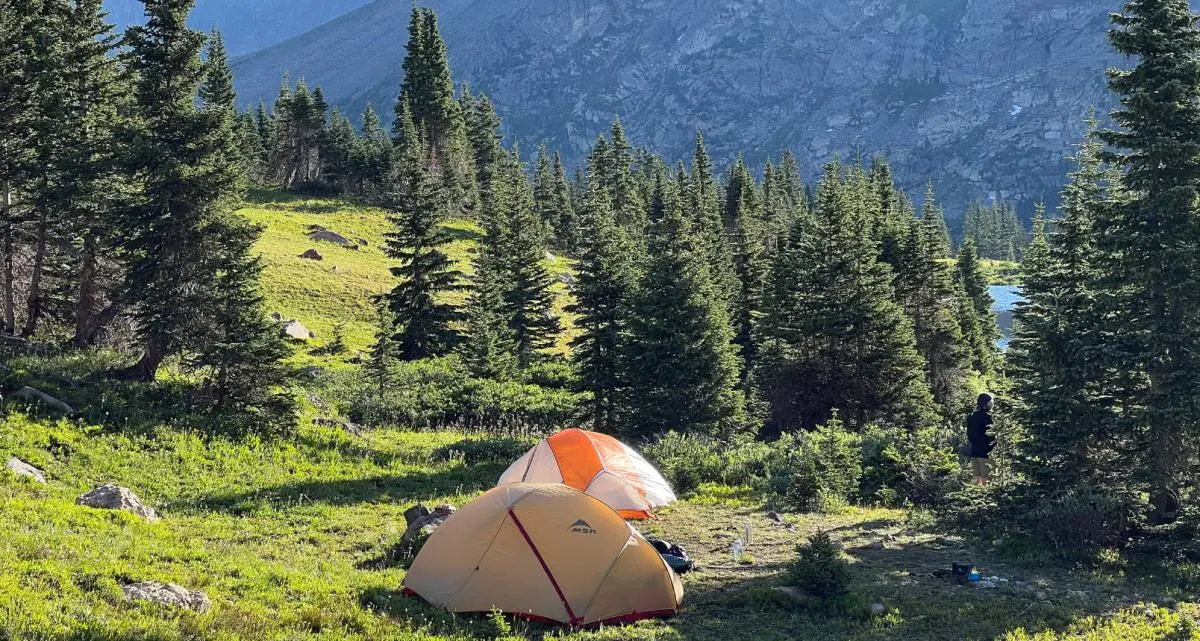
How to Camp for Free in US National Forests. There’s a specific feeling of freedom that hits when you realize you don’t owe anyone $40 for a patch of dirt to pitch your tent on. You’ve got a full tank of gas, a map loaded on your phone, and the smell of pine trees drifting through your car window. You are about to learn How to Camp for Free in US National Forests, and trust me once you go this route, those crowded, noisy RV parks will feel like a distant nightmare.
At Hidden Trip USA, we live for the offbeat. We chase the quiet spots where the GPS doesn’t work and the stars actually look like glitter spilled on black velvet. National Forests are the secret weapon of every budget road tripper. Unlike National Parks (which charge entry fees and require booked campsites months in advance), National Forests often let you pull over, hike in, and set up shop for free. No reservations. No fees. Just pure, raw nature.
Let me show you exactly how to do it without getting a knock on your window from a ranger at 2 AM.
Why National Forests Are a Hidden Gem for Budget Travelers
Most travelers drive right past National Forest land. They see the brown signs on the highway but keep going toward the famous landmarks. Big mistake. The U.S. Forest Service manages over 193 million acres of land. That’s roughly the size of Texas. And the best part? A huge chunk of that land is open for dispersed camping.
Dispersed camping is just a fancy term for camping anywhere outside of a designated campground. No toilets. No fire rings. No noisy neighbors with generators. Just you and the wilderness.
Here is why you should care:
- It’s 100% free. Save your cash for gas and tacos.
- You get true solitude. Most free campsites see almost zero traffic.
- You can stay longer. Most National Forests allow 14–16 day stays before you have to move.
- Pet friendly. Leash rules apply, but no one is banning your adventure dog.
The Golden Rule: Leave No Trace
Before we dig into the “where” and “how,” we need to talk about respect. Free camping exists because travelers before us didn’t ruin it. If we start trashing these spots, the Forest Service will shut them down. I’ve seen it happen.
Follow these seven principles religiously:
- Pack it in, pack it out. Every wrapper, banana peel, and beer can leaves with you.
- Camp on durable surfaces. Hard packed dirt or gravel. Never on vegetation.
- Bury human waste properly. Dig a cat hole 6–8 inches deep, 200 feet from water.
- Leave what you find. Don’t carve trees or pick wildflowers.
- Minimize campfire impacts. Use a camp stove if possible. If you must have a fire, use an existing ring.
- Respect wildlife. You are a guest.
- Be considerate of others. If you play loud music, you are doing it wrong.
Break these rules, and you ruin free camping for everyone. Don’t be that person.
How to Actually Find Free Campsites in National Forests
This is where the magic happens. You cannot just roll into any National Forest and throw a tent down anywhere. There are rules. But finding legal, beautiful, free spots is easier than you think.
Use the MVUM (Motor Vehicle Use Map)
This is your bible. The Forest Service publishes MVUMs for each forest. These maps show exactly which roads allow dispersed camping. If a road has little black dots along it on the map, you can camp within 100–300 feet of that road (depending on the specific forest rules).
How to get them: Download the Avenza Maps app. Search for the National Forest you want. The MVUMs are usually free to download.
Look for Pull Offs on Gravel Forest Roads
Here is the hands-on method: Find a National Forest on Google Maps. Look for the tiny squiggly lines that aren’t paved. Drive down those roads. Look for established pull offs where other people have clearly camped before (rock fire rings, flat dirt spots).
Pro tip: If you see “No Camping” signs, keep driving. If you see nothing, you are usually good to go. But always double check with the MVUM.
Use the Free Roam or iOverlander Apps
I usually rely on paper maps, but these apps are lifesavers when you are tired and losing light. Both apps show user submitted free campsites. Read the recent comments. If someone says “Road is washboard hell,” believe them.
Call the Ranger District Office
Old school? Yes. Effective? Absolutely. Call the local ranger station for the forest you plan to visit. Ask them: “Where are your dispersed camping areas? Which roads are open?” Rangers love quiet, responsible campers. They will point you to the good spots.
Best US National Forests for Free Camping (By Region)
Not all forests are created equal. Some are overrun with hunters in the fall. Some have terrible mosquitoes in July. Here is my honest breakdown of where to go.
Western Gems (The Gold Standard)
1. Apache Sitgreaves National Forests (Arizona)
- Best for: Escaping the Phoenix heat.
- Top spot: Forest Road 300 near the Mogollon Rim. You get 200 mile views.
- Season: Late spring through fall. Winter brings snow closure.
2. Medicine Bow-Routt National Forest (Wyoming/Colorado)
- Best for: Alpine lakes and moose sightings.
- Top spot: The area around Brush Creek, near Saratoga, WY. Free hot springs nearby.
- Watch out: Mosquitoes in July are biblical. Bring DEET.
3. Willamette National Forest (Oregon)
- Best for: Waterfall filled old growth forests.
- Top spot: Roads off Highway 126 near Blue Pool. Note: Some areas now require a free permit.
Eastern Hidden Spots (Yes, Free Camping Exists East of the Mississippi)
4. George Washington & Jefferson National Forests (Virginia)
- Best for: Appalachian Trail vibes without the crowds.
- Top spot: Forest Road 55 (Coal Road) near Blacksburg.
- Season: April through November. Hunting season requires orange gear.
5. Mark Twain National Forest (Missouri)
- Best for: Ozark mountain solitude.
- Top spot: Pull offs near the Eleven Point River.
- Bonus: You can float the river and camp on gravel bars for free.
6. Huron-Manistee National Forest (Michigan)
- Best for: Great Lakes access without paying state park fees.
- Top spot: Nordhouse Dunes area. Camp right on the Lake Michigan shoreline.
- Catch: It gets busy on summer weekends. Arrive on a Thursday.
What to Pack for Dispersed Camping (No Amenities = No Jokes)
You cannot show up to a National Forest dispersed site expecting a picnic table or a water spigot. You are going truly off grid. Pack like your life depends on it. Because for a few days, it kind of does.
The Non Negotiable Gear List:
- A way to filter water: Sawyer Squeeze or Grayl Geopress. Giardia is not a souvenir.
- A portable power bank: You will not find outlets.
- A trowel for digging catholes: Yes, you must bury your business.
- A full size spare tire: Forest roads eat tires for breakfast.
- Paper maps: Cell service dies quickly.
- Bear spray: Required in grizzly country (Montana, Wyoming, Idaho, Washington).
Leave at home: Generators, loud speakers, glass bottles (they break and linger for years), and anything with glitter.
The Legal Stuff: Rules You Must Follow
Ignorance won’t save you from a ticket. Most violations carry fines between $75 and $500. I learned this the hard way near Mount Hood.
Universal National Forest Camping Rules:
- You must move your campsite every 14 days (often 7–10 in popular areas).
- You cannot camp within 100–200 feet of water sources (lakes, streams).
- You cannot camp within 1 mile of a designated campground.
- You cannot cut down live trees for firewood. Dead and down only.
- Fire bans happen often. Check the forest’s website before you go. In August, most western forests ban all campfires. A butane camp stove is usually allowed.
How to Stay Safe While Free Camping Alone
I have camped alone in National Forests for over 100 nights. I am a woman. I am still alive and kicking. But I am also paranoid in a healthy way.
My solo camping safety checklist:
- Tell someone exactly where you are going. Send them a pin drop and say “If you don’t hear from me by Tuesday noon, call the sheriff.”
- Arrive before dark. Trying to find a flat, safe spot in the dark is a recipe for disaster.
- Trust your gut. If a pull-off feels wrong (trash everywhere, creepy vibes), drive another ten minutes.
- Keep a knife and bear spray within arm’s reach in the tent. Not for bears. For two legged animals.
- Hide the valuables. Don’t leave a phone or laptop visible in your car.
Month by Month Guide to Free Camping
January – March: Stick to the deep south and deserts. Florida (Osceola National Forest), Texas (Sam Houston National Forest), Arizona, and California lowlands.
April – June: Prime time in the southeast and southwest lowlands. Watch for mud season in the Rockies (roads are impassable until late May).
July – August: Head to high elevation. Colorado, Wyoming, Montana, and the Pacific Northwest. Bring bug spray and check fire bans daily.
September – October: The absolute best months nationwide. No bugs. Cool nights. Fewer people. All forests are game.
November – December: Hunters take over many forests. Wear blaze orange. Avoid Montana and Idaho during rifle season (mid-October to late November).
Dispersed Camping vs. Boondocking vs. Stealth Camping
People mix these up constantly. Let’s clarify:
- Dispersed Camping: Specifically on US Forest Service or BLM land. 100% legal. No facilities.
- Boondocking: Usually refers to RV camping without hookups. Often on BLM land. Same concept.
- Stealth Camping: Sleeping in a vehicle in a city (Walmart lots, side streets). Usually semi legal. This is not that.
Stick to dispersed camping. It is legal, safe, and free.
Real Talk: The Downsides of Free Camping
I love free camping. But I won’t pretend it is always perfect.
The bad parts nobody talks about:
- Roads can be brutal. Washboards that rattle your teeth loose. Deep mud that swallows sedans.
- No bathrooms. You will become intimately familiar with digging holes.
- Cell service? LOL. Plan to be unreachable for days.
- You might drive for hours and find every spot taken. Have a backup plan.
- Wildlife is real. I have had a bear sniff my tent at 3 AM near Yellowstone. You get over it.
If you need a shower and a flush toilet, pay for a real campground. No shame in that. Free camping is for when you want the raw deal.
How to Leave a Campsite Better Than You Found It
This is my personal mission. Every time I leave a dispersed site, I spend 15 minutes picking up trash that someone else left. Cigarette butts. Broken tent stakes. Beer cans.
Do this and the camping gods will bless you:
- Pack out extra trash.
- Scatter any rocks that were arranged into a fire ring (unless the ring is obviously established).
- Rake over your tent spot with a stick to erase footprints.
- If you see a fire someone left smoldering, put it out completely.
Rangers notice this. When they see responsible campers, they keep the lands open.
Also Read : Top Tracking and Hiking Trails in North Cascades USA
The Ultimate Step by Step Guide for First Timers
If you have never done this before, follow this exact script:
Step 1: Pick a National Forest within 3 hours of your home. Do not drive 12 hours for your first trip.
Step 2: Download the MVUM for that forest. Open it on your phone or print it.
Step 3: Find a forest road marked with dispersed camping dots. Type those coordinates into Google Maps.
Step 4: Drive there before 3 PM. Give yourself daylight buffer.
Step 5: Once you hit gravel, slow down to 15–20 mph. Look for flat, cleared pull offs.
Step 6: Get out and inspect the spot. Is it flat? Is it 200 feet from water? Any “No Camping” signs hidden in bushes?
Step 7: Set up camp. Cook dinner. Watch the stars.
Step 8: In the morning, pack every single thing you brought. Leave zero trace.
Congratulations. You just learned How to Camp for Free in US National Forests like a seasoned pro.
Hidden Trip USA’s Top 5 Secret Free Campsites
These are spots I have personally slept at. I am sharing them with you because I trust you to treat them right.
The “Moon Rocks” Idaho Panhandle National Forest
- Near Coeur d’Alene. Granite outcroppings that look like the moon. Sunset views will wreck you.
- GPS: 47.6842, -116.5791 (approximate. Find your own flat spot).
Blue Valley Nantahala National Forest (North Carolina)
- A hidden valley with a trout stream so clear you can count the fish.
- Access via gravel road off Highway 28. No signs. That is the point.
The Pinnacles Six Rivers National Forest (California)
- Northern California’s lost coast. Camp on a ridge overlooking the Pacific. No one for miles.
- Requires high clearance vehicle.
Cherry Creek Bridger Teton National Forest (Wyoming)
- Thirty minutes from Jackson Hole but feels like another planet. Moose wander through camp.
- Open only June through September.
Lost Forty Ozark-St. Francis National Forest (Arkansas)
- One of the last old growth forests in the south. Camp under 400 year old oaks.
- Watch for poison ivy. It is everywhere.
Frequently Asked Questions (FAQs)
Is it really legal to camp anywhere in a National Forest?
No, not anywhere. You must camp on “dispersed camping” designated land, usually 100–300 feet off specific forest roads. Check the Motor Vehicle Use Map (MVUM) for the exact rules.
Do I need a permit to camp for free in National Forests?
Usually no. However, some high traffic forests (like parts of Colorado’s White River National Forest) now require free or low cost permits to reduce overcrowding. Always check the forest’s website before you go.
Can I sleep in my car at a dispersed campsite?
Yes. Sleeping in your car, truck, or van is allowed as long as you are parked in a legal dispersed camping area. You do not need a tent.
How long can I stay at one free campsite?
Most National Forests allow 14 consecutive days. After that, you must move at least 5–10 miles to a new spot. Some popular forests have reduced this to 7 days.
Can I have a campfire when dispersed camping?
Only if there is no fire ban in effect. From June through September, most western forests ban all campfires. Use a camp stove instead. If fires are allowed, use an existing ring and drown it dead out.
Are there bathrooms at free campsites?
Never. You are responsible for packing out toilet paper and burying solid waste 6–8 inches deep, 200 feet from any water or trail.
What is the best app to find free National Forest camping?
FreeRoam is my top pick because it overlays land ownership data (showing you exactly where Forest Service land begins). iOverlander and The Dyrt are also excellent.
Can I camp for free in National Forests during hunting season?
Yes, but wear bright blaze orange (hat and vest) at all times. Avoid rifle deer and elk seasons (usually October–November) in Montana, Idaho, Wyoming, and Colorado unless you are a hunter.
Is dispersed camping safe for solo female travelers?
Yes, with precautions. I do it all the time. Arrive early, trust your gut, share your location with a friend, carry bear spray (for humans too), and camp near other dispersed sites if you feel nervous.
What happens if a ranger finds me camping illegally?
Usually a warning for first offenses if you are polite and move immediately. But repeated violations or camping in clearly posted “No Camping” zones can result in $75–$500 fines. Just follow the MVUM and you are fine.
Final Thoughts from the Road
Learning How to Camp for Free in US National Forests changed my entire relationship with travel. Suddenly, a cross-country road trip went from “impossibly expensive” to “dirt cheap.” Suddenly, I stopped planning every minute and started waking up to whatever view the road gave me that morning.
You do not need a $50,000 van. You do not need a reservation six months in advance. You just need a National Forest, a gravel road, and the courage to drive down it until it feels right.
So here is my challenge to you: This weekend, pick a forest near you. Pack a bag. Drive until the pavement ends. Find a flat spot under some trees. And just be there. No Wi-Fi. No itinerary. Just the sound of wind in the pines and the knowledge that you figured out the secret that most travelers never do.