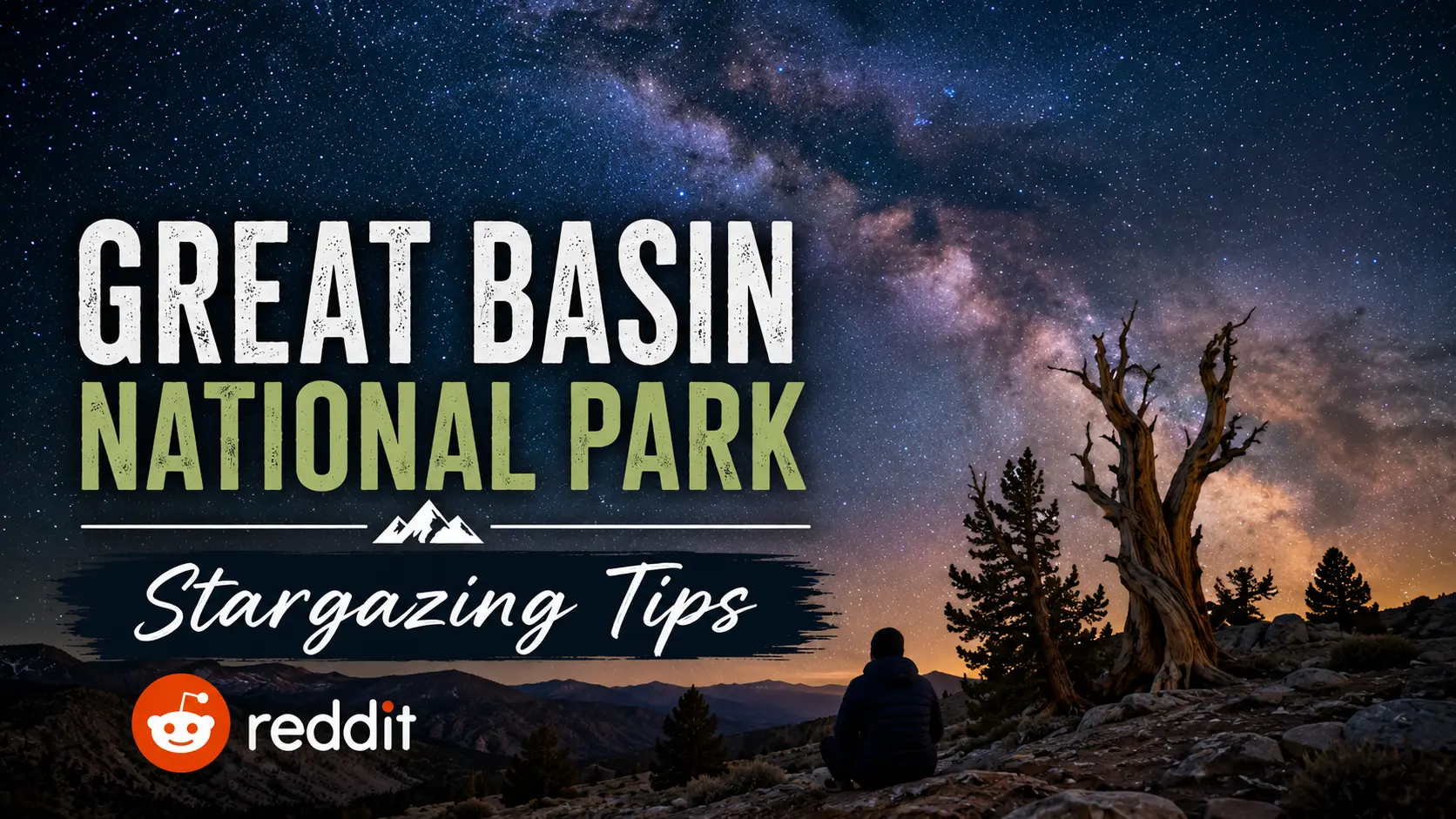
Great Basin National Park Stargazing Tips Reddit 2026
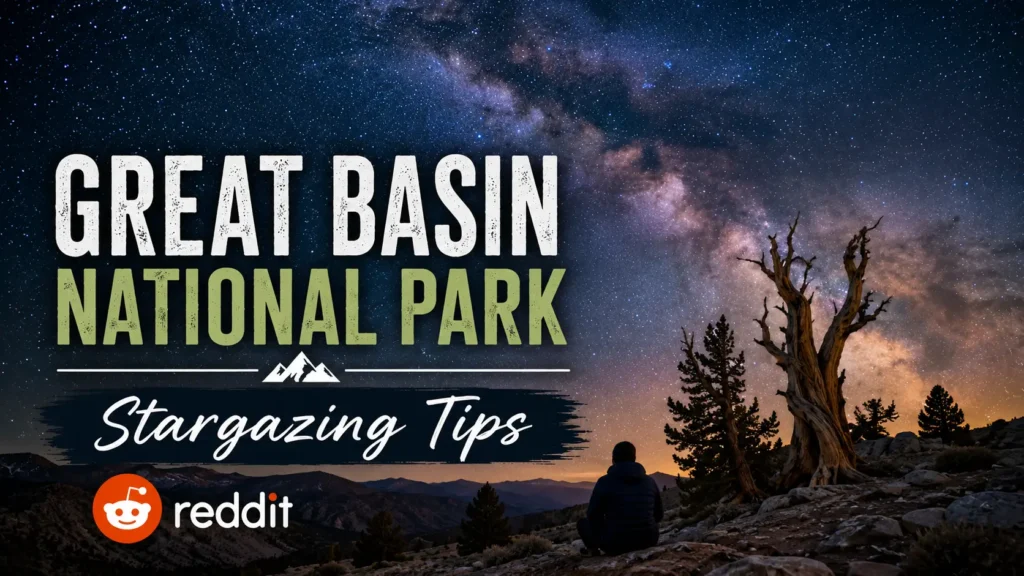
Great Basin National Park Stargazing Tips Reddit. You’ve seen Yosemite on every Instagram feed. But have you stood under a sky so thick with stars it feels like you can reach out and stir them like a spoon in hot chocolate ? That’s what awaits you in eastern Nevada.
Great Basin National Park is one of the least visited national parks in America. That’s a good thing. With no city lights for hundreds of miles, it has earned its status as an International Dark Sky Park. But knowing a few Great Basin National Park Stargazing Tips Reddit before you go is the difference between a “nice night” and a spiritual experience. Let me walk you through exactly how to do this right.
Why Great Basin Is a Stargazing Paradise (And Why You’ve Never Heard of It)
Let’s be honest. Most people drive past great basin on the way to Utah’s “Mighty 5.” That’s their loss.
This park is located in the heart of the basin and range Province. The closest big city is salt lake city, which is four hours away from here. Las Vegas? Five hours. This distance means that there’s no light pollution. You’ll be able to see the Milky Way cast shadows on the ground.
Key stat : Great Basin has a Bortle Scale rating of Class 1 or 2. That’s the darkest possible sky on Earth. Only a handful of places in the lower 48 share this honor.
When to Visit for the Great Basin National Park Stargazing Tips Reddit
Timing is everything. You can technically stargaze year round but some months hurt your eyes for the wrong reasons.
The Golden Window (May through October)
- Summer (June–August ) : Warm nights. The galactic core of the Milky Way is fully visible. Downside ? Monsoon storms can roll in by afternoon. Check the forecast.
- September–October : My personal favorite. Cooler temps no bugs and the air is crystal clear. The Milky Way still puts on a show until mid October.
Avoid These Months If You Want Depth
- Winter (December–February) : The sky is stunning but the road to Wheeler Peak closes. Many campgrounds shut down. You’ll need serious cold weather gear. Temperatures drop below 0°F.
- Full Moon weeks : The moon is a natural light polluter. Aim for dates around the New Moon.
Pro tip : Use the app LunaSolCal or Dark Sky Finder to check moon phases and cloud cover before you pack.
Best Spots Inside the Park for Stargazing
Not every pull off is created equal. You want dark horizons and interesting foregrounds for photos. Here are my go to locations.
Mather Overlook (The Easy Win)
Park your vehicle. Take fifty yards. Look up. This place is situated at an elevation of 9,000 feet hence you are already much closer to the sky. The view is towards the west through the Snake Valley. No tree comes in between your line of sight.
- Best for : Families first timers, quick sessions.
- Parking : Paved lot. No hiking required.
Lehman Caves Visitor Center Lawn
This is the most accessible spot. The visitor center closes at 4 : 30 PM but the lawn stays open. Rangers occasionally host telescope nights here.
- Pro tip : Bring a red flashlight. The lawn is flat and grassy. Perfect for laying out a blanket.
Wheeler Peak Scenic Drive
Drive the 12 mile scenic road after sunset. Stop at any wide shoulder. My favorite is the pull off just before the Osceola Ditch trailhead.
- Warning : The road closes in winter. In summer, watch for deer and bighorn sheep on the asphalt.
Baker Creek Campground Day Use Area
If you want solitude go here. It’s a gravel road off the main highway. The canyon walls block ambient light from the small town of Baker (population 68). You’ll hear nothing but wind and coyotes.
Essential Gear for a Great Basin Stargazing Session
Don’t just grab a jacket and hope for the best . You’ll be standing still in the dark for hours . That gets cold fast.
The Non Negotiables
- Red headlamp or flashlight: White light destroys your night vision for 20+ minutes. Red light preserves it. Black Diamond makes a great one for $30.
- Camp chair with a reclining back : Looking straight up for an hour hurts your neck. A zero gravity chair changes everything.
- Warm layers more than you think : Temperatures drop 30–40°F after sunset. I wear long underwear, fleece, puffy jacket, beanie and gloves. Even in July.
- Hot drinks in a thermos : Tea, coffee or cocoa. It’s a morale booster at 2 AM.
Nice to Have (But Not Required)
- Binoculars 10×42 or 7×50 : Better than a telescope for beginners. You can scan the milky way like a birdwatcher scans a tree.
- Star map app : SkySafari, Stellarium or night sky. Set them to red mode.
- Tripod for phone/camera : Night mode on an iPhone 14 or newer can capture the core. But you need a stable mount.
How to Actually See the Milky Way
Here’s a secret. You don’t need expensive gear. Your eyes are incredible instruments if you let them adapt.
The 30 Minute Rule
Once you park turn off all lights. No phone screen. No dome light. Sit in total darkness for 30 minutes. At first you’ll see maybe 500 stars. After half an hour you’ll see thousands. The milky way will go from a faint haze to a cracked and glowing river of light.
Don’t cheat. Looking at your phone for 5 seconds resets the clock.
Use Averted Vision
Your eyes’ peripheral vision is more sensitive to faint light than the center. Look slightly next to the object you want to see. The Andromeda Galaxy will pop into view using this trick.
Night Sky Events You Cannot Miss
Great Basin isn’t just a random star field. The calendar has some big moments.
| Event | Best Time | What You’ll See |
|---|---|---|
| Perseid Meteor Shower | August 11–13 | 60–100 meteors per hour. Peak after midnight. |
| Geminids | December 13–14 | Slower, brighter meteors. Bundle up. |
| New Moon Week | Monthly | Faintest stars and deep sky objects visible. |
| Summer Milky Way Core | June–September | The galactic center. Looks like glowing steam. |
Insider tip : Occasionally the park will put on Dark Sky Night programs featuring telescopes and ranger talks . For more information on scheduling, please call lehman caves visitor center 775-234-7510 .
Photography Tips for Capturing the Night Sky
You want proof you were here. I get it. But please don’t spend the whole night behind a lens. Take 15 minutes for photos then put the camera down.
Settings for Beginners (Any DSLR or Mirrorless)
- Mode : Manual
- Aperture : Widest possible (f/2.8 or lower)
- ISO : 3200–6400
- Shutter speed : 15–25 seconds (use the “500 rule”: 500 / focal length)
- Focus : Manual. Use live view to find a bright star. Turn the ring until it’s a sharp pinpoint.
Smartphone Settings
Newer phones and iPhone 13+, Pixel 6+, Samsung S22+ have astrophotography modes.
- iPhone : Put phone on a rock facing up. Night mode will automatically offer a 30 second exposure if the phone is perfectly still.
- Pixel : Go to Night Sight > tap the star icon > hit shutter.
One request : Don’t use a bright white phone screen to check your shots. Cover your phone with red cellophane or use the red tint accessibility setting.
Where to Stay for Easy Night Access
You have three options. Each changes your stargazing experience.
Inside the Park (Best for Hardcore Viewers)
- Wheeler Peak Campground (7,700 ft) : 37 sites. Vault toilets. No hookups. Closest to the best views. Reservations required May September.
- Upper Lehman Creek Campground : Lower elevation (7,300 ft). Quieter. First come first served.
Downside : No showers. No cell service (that’s a pro for me, but a con for some).
Just Outside the Park (Best Balance)
- Border Inn (4 miles from visitor center) : A casino/gas station/hotel. Don’t laugh. The rooms are clean. They have a 24 hour diner and hot showers. Plus, they turn off their exterior lights after midnight to help with darkness.
The Town of Baker (Best for Amenities)
- Stargazer Inn : Newish motel, Right on Highway 488. Walk outside look up. It’s that simple.
- Silver Jack Inn : Rustic cabins. More charm. Less luxury.
Camping warning : If you camp inside the park you must store all food and scented items in a bear locker. Black bears and skunks will visit your site.
What to Do During the Day (Because You’re Already Here)
You drove all the way to remote Nevada. Don’t just sleep all day and wake up at midnight.
Hike the Alpine Lakes Loop 2.7 miles, easy
You’ll see Stella and Teresa Lakes at 10,000 feet . The bristlecone pines along this trail are nearly 4,000 years old. They were alive when the pyramids were built.
Tour Lehman Caves (90 minutes)
Cool limestone cave with “shield” formations found almost nowhere else on earth . Booking opens 30 days in advance on recreation.gov. Tours sell out fast.
Drive the Wheeler Peak Scenic Road (Daytime only)
Switchbacks . Aspen groves . Mule deer . The road tops out at 10,000 feet . Bring a jacket even in August.
Also Check : First Time Solo Female Travel Guide to USA 2026
Common Mistakes First Time Stargazers Make at Great Basin
Learn from my failures. I’ve made every mistake on this list.
- Forgetting that the moon rises. Check moonrise times . A “new moon” day is great but the moon rises later each night. A 3 AM moonrise can ruin a late night session.
- Wearing cotton. Cotton kills in the desert . Once you sweat or dew settles you’ll freeze. Wear wool or synthetic base layers.
- Arriving right after sunset. The best stars come out after astronomical twilight about 90 minutes after sunset. That’s 10 PM in summer, 8 PM in fall. Arrive then, not earlier.
- Leaving trash or food out. Critters (including raccoons with serious attitude) will find it. Then they’ll find your campsite.
Leave No Trace Night Edition
Dark skies are fragile. The park gets only 80,000 visitors per year compare that to Zion’s 5 million. Let’s keep it pure.
- Use red lights only near others.
- Pack out every wrapper and battery.
- Keep voices low. Sound travels far in the quiet desert.
- Stay on established roads and pull offs . Driving off road destroys cryptobiotic soil that takes decades to regrow.
What If the Weather Is Bad?
Nevada weather lies. One forecast says clear. You drive five hours. Clouds roll in. Here’s your backup plan.
- Check the webcam on Great Basin’s official website before you leave.
- Have a Plan B destination Cathedral Gorge State Park (90 minutes south) often has different weather.
- Go to the ranger talk at the visitor center. Even cloudy nights have indoor astronomy presentations.
- Come back tomorrow. Seriously. Spend an extra night. The sky is worth the wait.
Final Thoughts Why This Place Changes You
You won’t see a souvenir shop selling airbrushed t shirts of the stars. You won’t find a light show or a gondola ride. Great Basin is raw, quiet, and demanding. That’s the point.
After a night under this sky, you’ll drive home feeling smaller but somehow more connected. The same stars your great grandparents saw. The same silence the Indigenous Fremont people heard 1,000 years ago. That doesn’t fade.
Frequently Asked Questions FAQs
Do I need a reservation to stargaze at Great Basin National Park ?
No. Stargazing is free and open 24/7. You only need reservations for camping or Lehman Caves tours.
Is Great Basin National Park safe to visit at night alone ?
Generally yes but take standard precautions. Tell someone your plans. Carry bear spray for four legged animals or black bears and mountain lions exist but are rarely seen. Watch for uneven ground.
Can I see the Northern Lights from Great Basin?
Rarely. The park is at latitude 39°N. Auroras happen maybe 1–2 times per decade during extreme solar storms. Don’t count on it.
What is the closest airport to Great Basin for stargazing?
Salt Lake City International (SLC) – 4 hour drive. Or Las Vegas (LAS) – 5 hours. rent a car with good headlights.
Do any hotels offer telescope rentals or guided night tours?
The Border Inn sometimes lends basic binoculars. For guided tours check Great Basin Outdoor School or Nevada Outdoor School. They run occasional night programs.
How long should I stay for a proper stargazing trip?
Minimum 2 nights. Why? Weather changes fast. Two nights give you a backup night. Plus you need one night to learn the sky and the second to really see it.
Is Great Basin darker than Death Valley or Joshua Tree?
Yes, significantly. Death Valley is good (Bortle Class 2–3). Joshua Tree suffers from LA and Palm Springs light dome (Class 3–4). Great Basin is Class 1–2.
Can I use a green laser pointer for stargazing?
Yes, but be extremely careful. Never point it at aircraft people or animals. Rangers may ask you to stop if you’re being reckless. Red is safer and less intrusive.
Are dogs allowed during night stargazing?
Yes, on leash (6 feet max). But please, leave them at the campsite if they bark, whine, or need a white light headlamp to walk. Quiet dogs only.
At what hour do we reach total darkness of the night sky in the summer months?
Approximately at 10:00 PM to 10:30 PM Pacific Time . Astronomical twilight occurs about 90 minutes after sunset.